
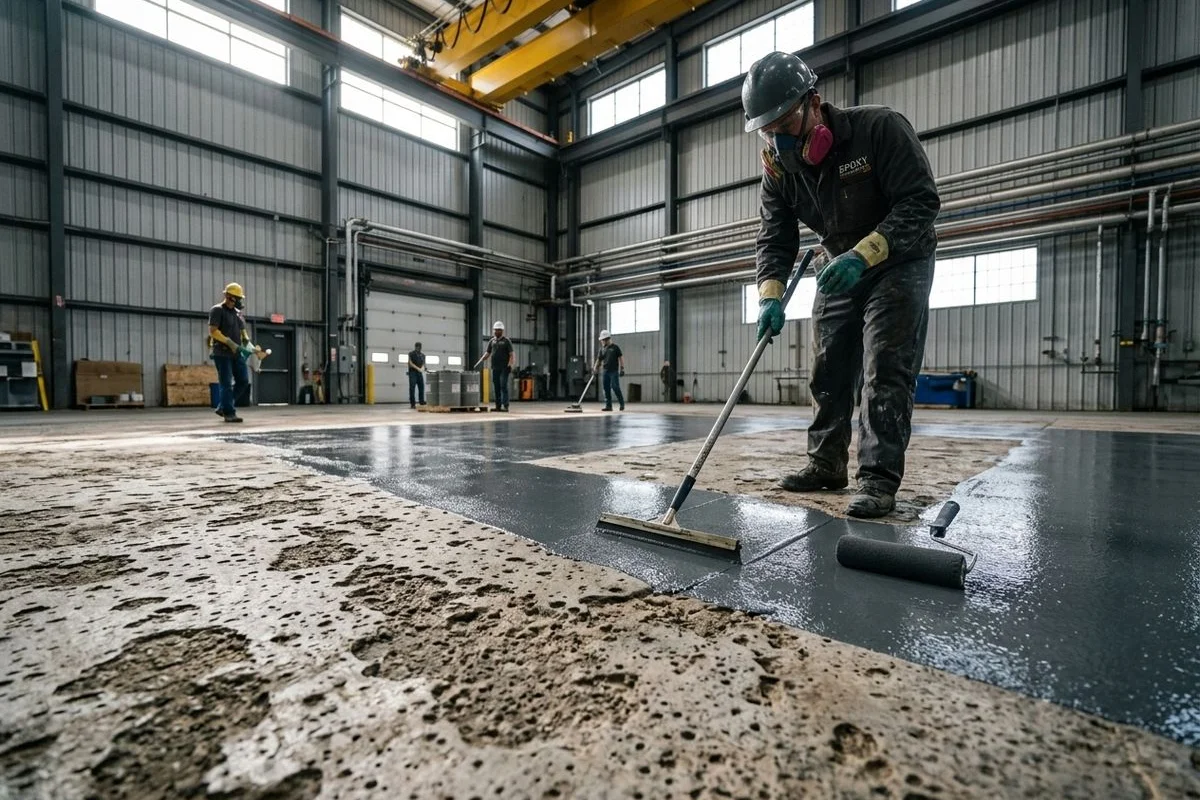
Chemical-Damaged Floor Rehabilitation in Kuala Lumpur
Repair and protect chemically damaged concrete across Kuala Lumpur with novolac epoxy and vinyl ester systems engineered for the most aggressive plating, battery, and process environments.
The High Cost of Specifying the Wrong Resin Chemistry
Walk into a plating workshop in Sungai Besi, a battery charging bay in Shah Alam, or a chemical dosing room in a KL water treatment plant and you will quickly learn why generic bisphenol-A epoxy does not belong there. Standard epoxy is formulated for moderate-duty environments. When it meets concentrated sulfuric acid, hot caustic CIP chemistry, or aromatic solvents such as toluene and xylene, the binder softens, the topcoat blisters, and the concrete underneath begins its own slow, cumulative decay.
Epoxy Ninja Malaysia was founded in 2017 to put an end to the cycle of short-lived chemical floors across the Klang Valley. Founder Michael Tan spent more than a decade watching clients pay for resin systems that lasted months rather than years, usually because nobody bothered to chart the actual chemical exposures, or because moisture vapor from KL’s saturated subsoils was never properly addressed. Every chemical-resistant project we accept is built around one principle: the resin has to match the exposure on paper, and the concrete below it has to be sound before a single drop of primer touches the slab.
Why Kuala Lumpur’s Climate Changes the Specification
Chemical-resistant flooring textbooks written for temperate climates rarely account for what 90% relative humidity does to a curing novolac system. In Kuala Lumpur, that context is everything. Our project coordinator Siti Nurhaliza schedules pours around monsoon rainfall patterns, because a sudden afternoon downpour during the November to February wet season can swing dew point by several degrees within an hour and ruin an otherwise perfect application window.
- Moisture vapor emission from slabs on grade in Cheras, Kepong, and Kajang regularly exceeds the limits for standard epoxy bonding.
- Ambient temperatures of 32°C and above shorten pot life for amine-cured systems, forcing tighter mix-to-placement windows.
- Flash flooding in low-lying industrial estates around Klang means sumps and berms must be fully leak-tight, not merely decorative.
We factor each of these conditions into the system design. Moisture-tolerant primers, rapid-cure polyaspartic topcoats, and CIDB-compliant installation protocols keep the work on schedule without compromising chemical resistance.
A Ladder of Resin Options, Chosen Against Your Chemical List
Rather than push a single product, we maintain a curated ladder of systems from certified Sika Malaysia and Nippon Paint Protective Coatings formulations. Each step up the ladder unlocks resistance to a broader, more aggressive chemical set.
Mid-Duty Novolac Epoxy
Novolac epoxy is the workhorse of KL chemical flooring. Its high crosslink density resists sulfuric acid up to 70%, organic solvents, and elevated service temperatures typical of Halal-certified F&B plants in Shah Alam. It is our standard specification for battery rooms, plating bays, and pharmaceutical wash-down zones around the Klang Valley.
Heavy-Duty Vinyl Ester Systems
Where novolac reaches its ceiling, vinyl ester takes over. Fuming nitric acid, concentrated hydrochloric acid at elevated temperatures, and strong oxidisers such as bleach at high concentration all demand the extra headroom of a vinyl ester lining. These systems are thicker, more technical to apply, and require our NIOSH-certified crews to follow strict confined-space ventilation protocols.
FDA-Acceptable Formulations
For JAKIM Halal and HACCP-compliant facilities producing food, beverages, or nutraceuticals, we combine the right resistance chemistry with formulations listed for incidental food contact. This layered approach is why our clients in Bangsar South’s F&B cluster pass audits without flooring remediation findings.
Rebuilding the Concrete Before the Coating Arrives
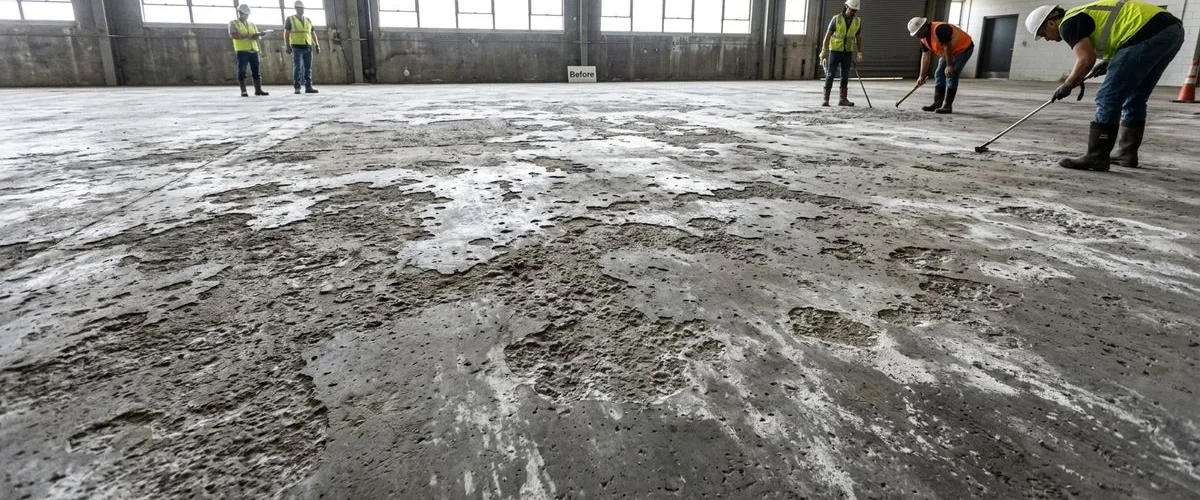
A new coating over damaged concrete is paint on a rotten beam. We inherit plenty of floors where previous contractors simply topped off pitted slabs and hoped for the best. Our surface preparation technician David Lee, a diamond grinding specialist with five years in the trade, treats substrate repair as the most important phase of the project.
Surface etching is corrected by shot blasting to ICRI CSP 4 to 6 using planetary equipment tied into HEPA-filtered vacuums, keeping surrounding production areas 99% dust-free.
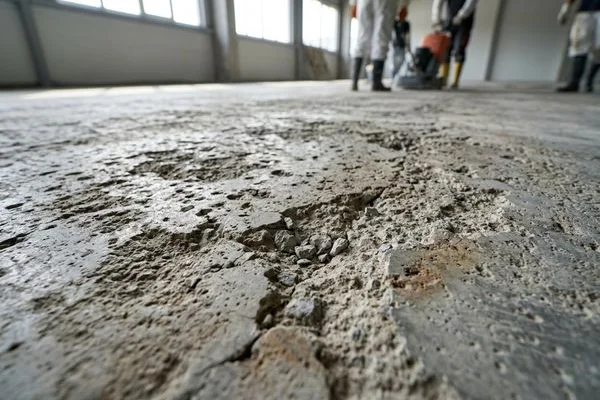
Pitting and cratering are filled with high-strength epoxy mortar that cures to a compressive strength matching or exceeding the parent concrete. Our foreman Amirul bin Rahmat personally walks each bay to confirm no pit is missed.
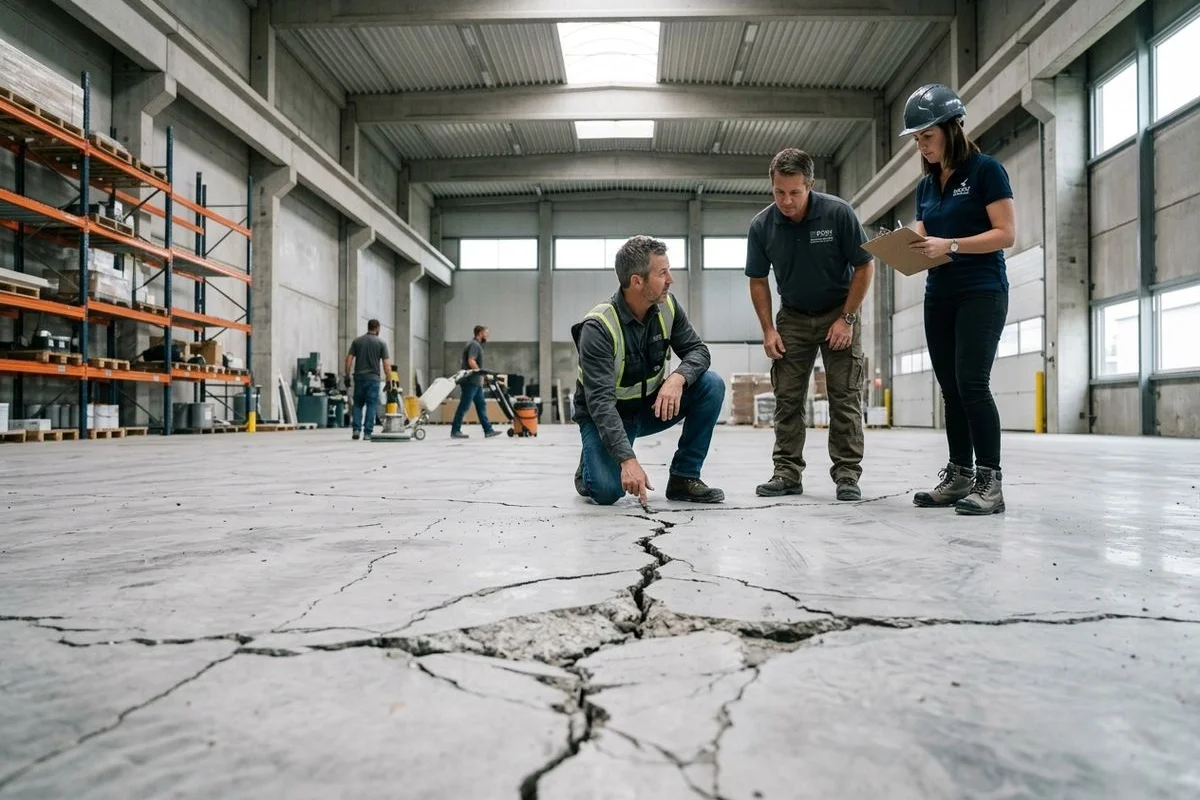
Deep structural damage sometimes requires partial slab replacement, especially in older warehouses along the Federal Highway corridor where decades of unprotected acid exposure have weakened the sub-surface. We document our findings honestly and recommend the approach that actually solves the problem.
Integrated Spill Containment for SPCC and DOSH
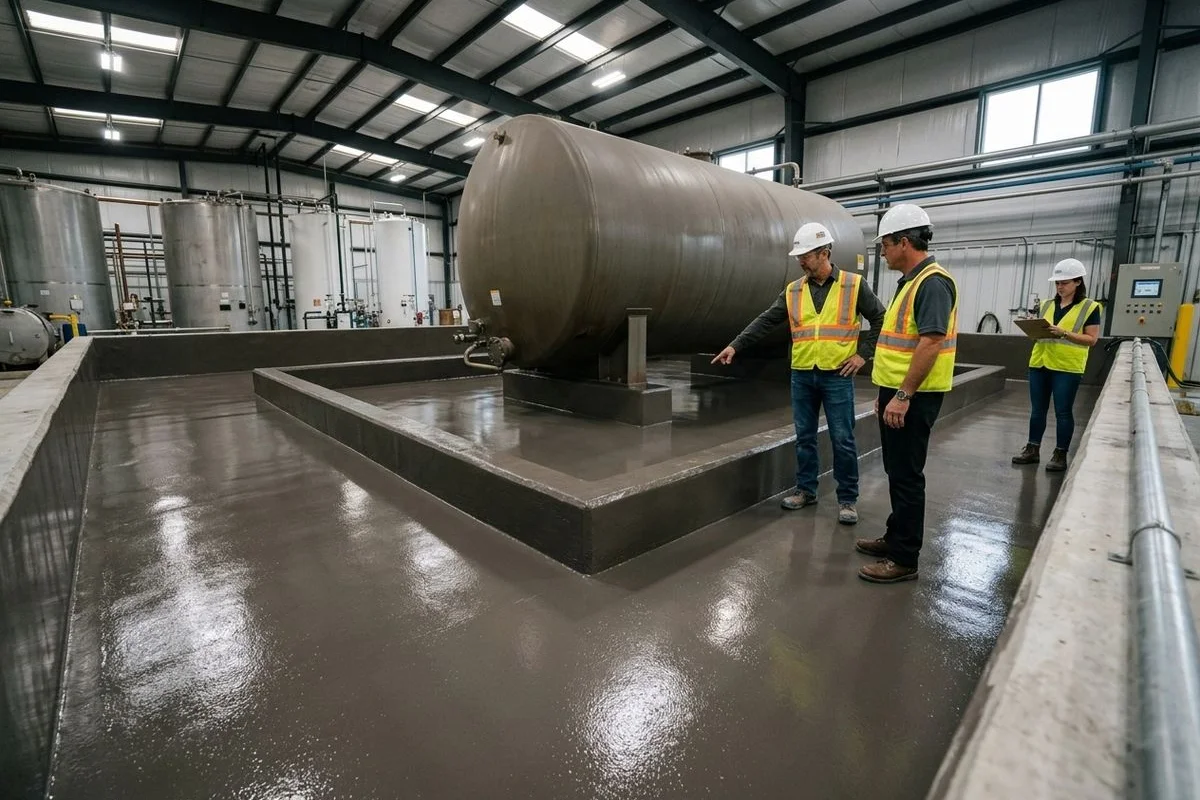
Containment is not a separate trade in our playbook. The same novolac or vinyl ester resin that protects the slab runs up the berm face, through the cove transition, and into the sump in one continuous pour. Fiberglass mat reinforcement is embedded across every construction joint. Every completed containment zone is holiday-tested with a spark tester in accordance with NACE SP0188 before we hand it over.
The result is a monolithic barrier that satisfies DOSH audits, internal EHS policies, and the environmental expectations clients meet on projects around Cyberjaya and Kajang Industrial Park.
Working Across the Klang Valley
Epoxy Ninja Malaysia services chemical-resistant flooring projects throughout Kuala Lumpur and the wider Greater KL region, including Petaling Jaya, Shah Alam, Subang Jaya, Puchong, Cheras, Ampang, and Kajang. Call Michael’s team at 012-3751234 to schedule a chemical exposure review. We will specify the correct system, document the resistance basis, rehabilitate your damaged concrete, and install a floor that holds up in the harshest KL process environments.
What's Included
Our Chemical Damaged Floors Installation Process
Chemical Exposure Assessment
We document all chemicals that contact or may contact your floor: type, concentration, temperature, contact duration, and frequency. This drives the system specification.
Chemical Resistance Charting
We cross-reference your chemical exposure list against manufacturer resistance charts for novolac epoxy and vinyl ester systems to confirm the recommended system will perform against every identified chemical.
Concrete Damage Assessment & Repair
Acid-etched, pitted, and eroded concrete is assessed for depth and extent. Severely damaged areas are rebuilt with rapid-setting cementitious or epoxy repair mortars to restore a sound, level substrate.
Surface Preparation
Shot blasting or diamond grinding removes all damaged surface material, residual chemical contamination, and previous failed coatings. Surface profile is verified against system requirements.
Chemical-Resistant System Application
Novolac epoxy or vinyl ester system is applied in the specified build: primer, body coat(s), and chemical-resistant topcoat, with mil thickness verification at each stage.
Containment Integration & Cove Base
Secondary containment berms, sumps, and cove base transitions are installed as part of the system, creating a seamless, leak-proof containment zone from floor to wall.
Why Choose Epoxy Ninja Malaysia
Chemical Resistance Engineering
We do not guess at chemical resistance. Every system we specify is backed by manufacturer chemical resistance data for your specific chemicals. We provide the documentation confirming resistance before installation begins.
Novolac and Vinyl Ester Expertise
Standard epoxy is not appropriate for aggressive chemical environments. Our team has extensive experience with novolac epoxy and vinyl ester systems, the chemistry that performs where standard coatings fail in KL process plants.
Containment System Integration
Spill containment and secondary containment are part of our scope, not an afterthought. We integrate floor coatings with berms, sumps, and cove bases to create a complete chemical management system.
Concrete Substrate Rehabilitation
Chemical attack damages the concrete substrate before it damages the coating. We repair the concrete properly, rebuilding severely damaged areas with appropriate repair mortars, before the protective coating is applied.
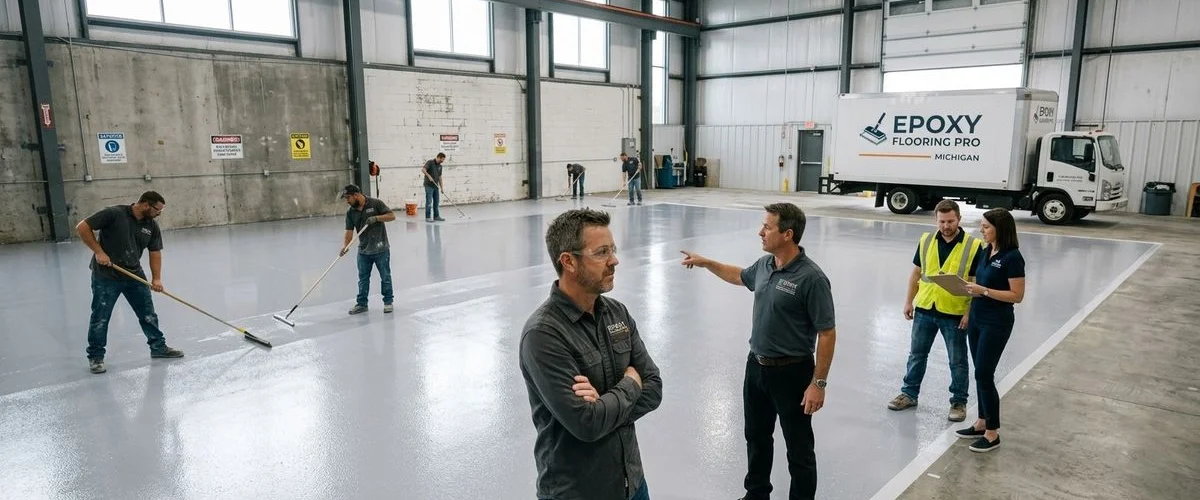
Before & After
Before
After
What Our Clients Say
"Our battery assembly area in Shah Alam had concrete that was severely pitted by sulfuric acid. Epoxy Ninja Malaysia rebuilt the substrate, installed a novolac epoxy system, and integrated secondary containment. Two years later the floor is in perfect condition and has survived every DOSH audit."
"We needed chemical-resistant flooring in our Petaling Jaya laboratory that would handle a wide range of acids and solvents. Michael and his team gave us a chemical resistance chart covering every compound we use, then installed a vinyl ester system. Our inspections have been clean ever since."
Frequently Asked Questions
What is the difference between novolac epoxy and standard epoxy for chemical resistance?
How do you confirm a floor system will resist our specific chemicals?
Can you repair concrete that has been severely etched or pitted by acid?
Does Kuala Lumpur's humidity affect chemical-resistant coating performance?
What is secondary containment and do you install it?
What chemical environments do you typically work in?
Get a Free Estimate for Chemical Damaged Floors
Our project managers are ready to assess your facility and recommend the optimal chemical damaged floors solution.